

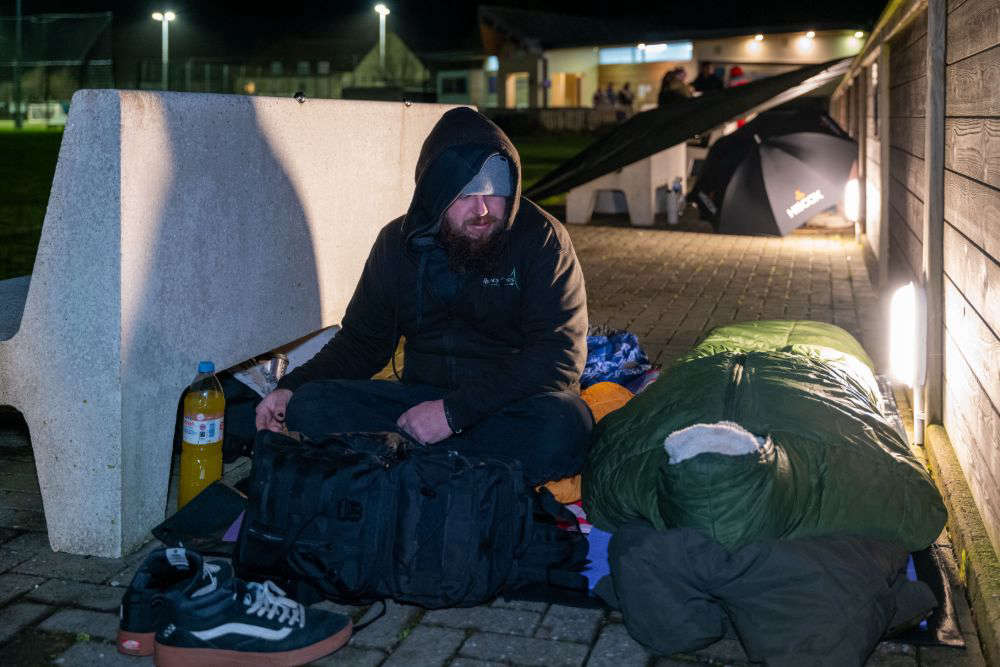
Caritas says it is overwhelmed by the generosity of islanders after a larger-than-expected crowd took part in a unique fundraiser.
More than 150 islanders swapped their beds for sleeping bags on 24 January, for The Big Skipton Sleep Out.
The sponsored night outside the KGV raised more than £35,000 for Caritas.
The charity aims to raise £1M to build a modular housing community to help the estimated one thousand islanders who are without a permanent address.
Caritas Treasurer David Stoddart says they are amazed by the generosity of islanders.
"It is no small feat to opt to sleep outdoors in the depths of winter, but unfortunately, this is a reality for many people living without a home in Guernsey.
The money that has been raised is more than we ever anticipated.
It was a poignant sight, seeing more than 150 people bedding down in the cold for the night for such an important cause.
We are now one step closer to creating a real solution for people experiencing homelessness, and we continue to be extremely thankful for Skipton's support in making this happen."
Skipton's Aaron Walden says he was happy to take part.
"I was so cold and wet from the rain, it really makes you think about what the homeless through doing that every night.
The atmosphere was terrific, we had little communities of people setting up their shelters and braving the cold.
Once we got through the night there were lots of conversations happening around what people can do to help."
Guernsey Scouts and Guides raised more than £6,000 for Caritas with their own sleepout on 17 January.
 Storm disruption affects Guernsey travel into the weekend
 Winter Fuel Allowance ready to roll in Guernsey
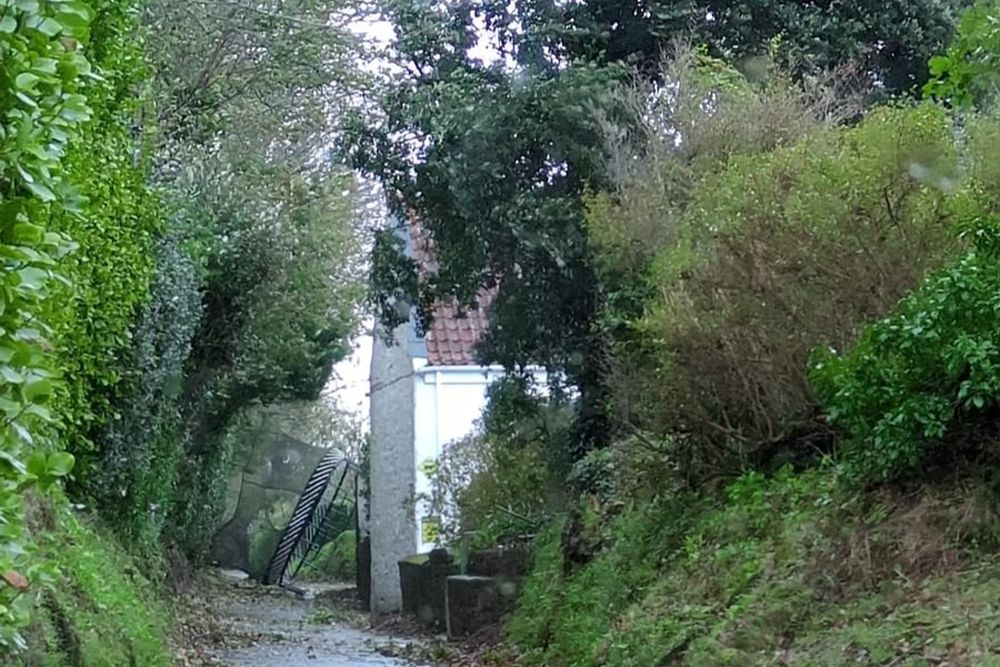 Guernsey "largely unscathed" by Storm Austen
 Commodore Clipper breaks mooring ropes in Storm Austen
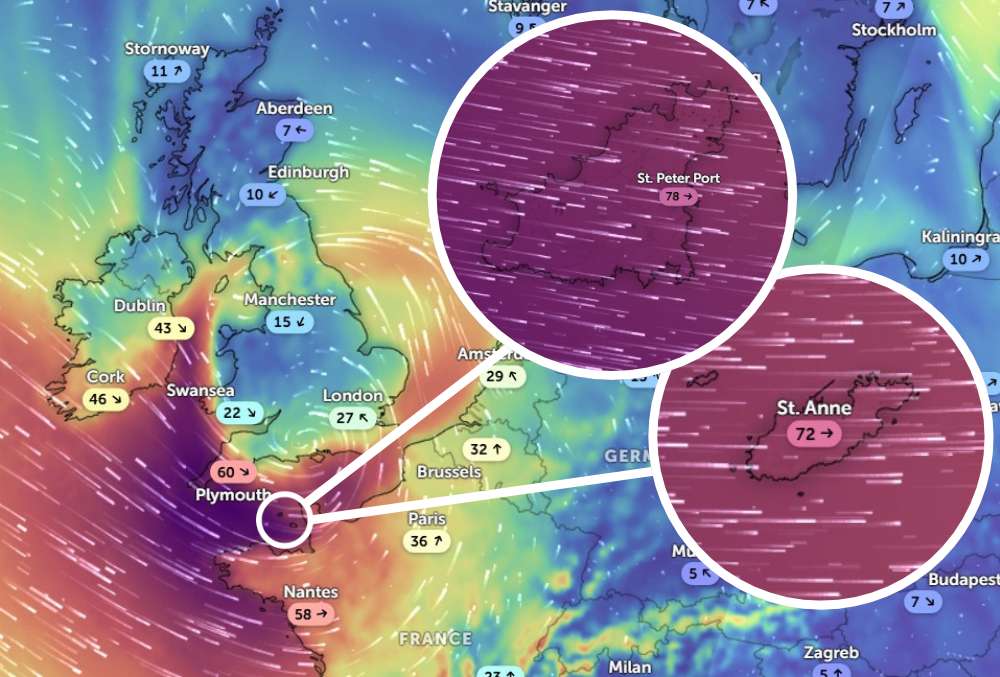 70 mph winds batter Guernsey
 Haut Du Mont: Jury fails to reach verdict on third gas worker
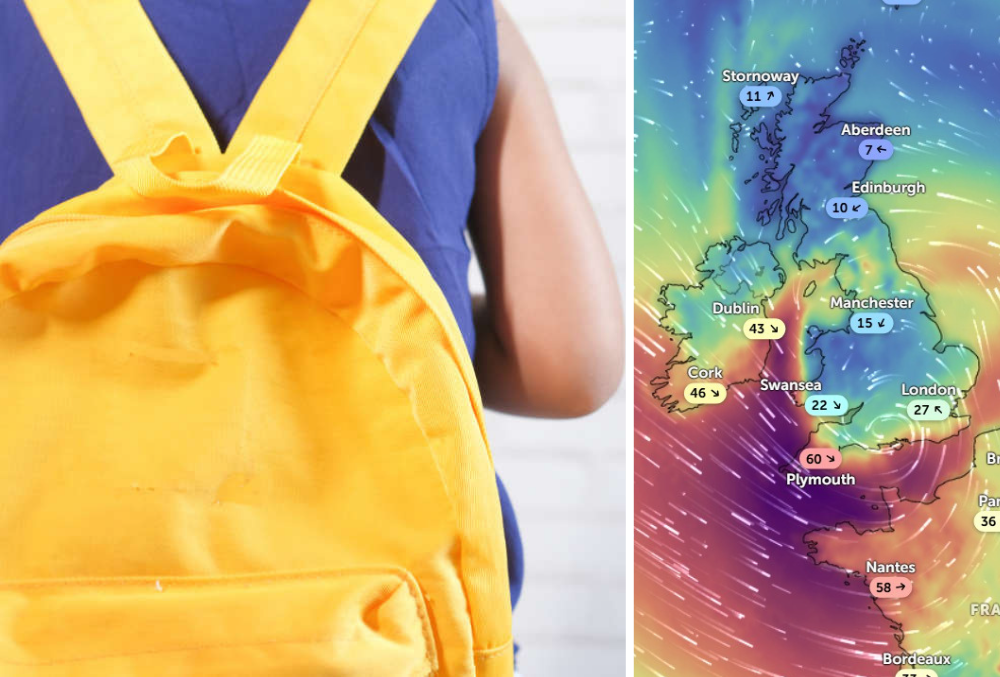 Schools in Guernsey to close for Storm Austen
 States of Guernsey 'carefully monitoring' forecasts for Storm Austen