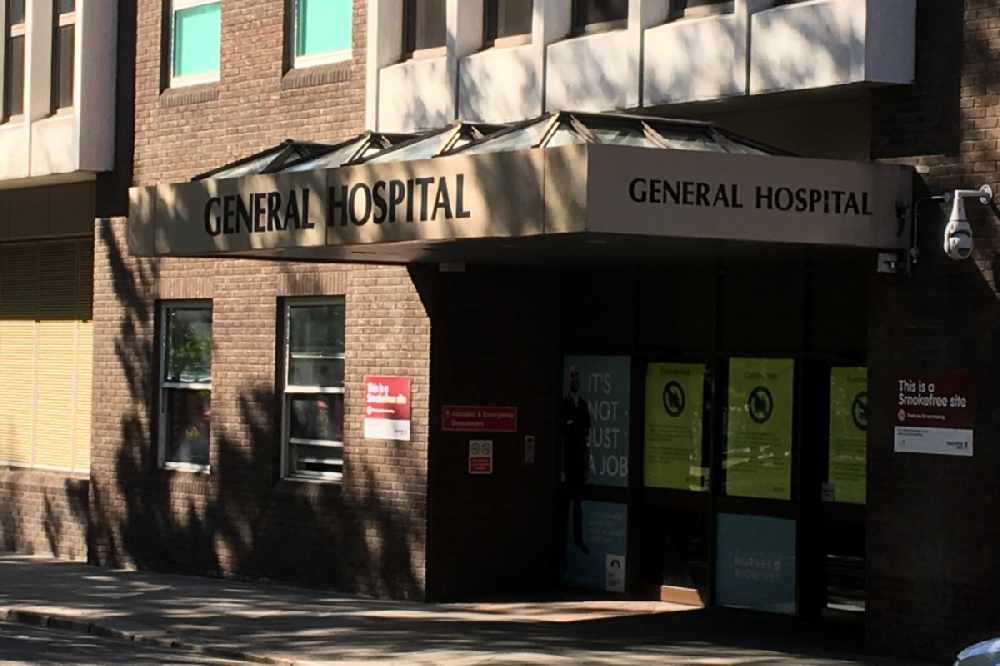
It has now been confirmed as being in three areas of the hospital - the pathology lab, ear nose and throat outpatients’ clinic and a boiler house.
Chris Bown, Interim Chief of Health and Community Services, says there is no risk to patients or staff and he hasn't been told to close any areas of the facility.
"The hospital and emergency department remain open and we request appointments are still kept."
The material has caused a crisis in England, with around 150 schools forced to close partially or completely at the start of term and hospitals clearing wards.
RAAC, or reinforced autoclaved aerated concrete, is a lightweight material that was commonly used in the 1950s to 1990s, often in flat roofs.
The UK Health and Safety Executive has said of its presence there that it is beyond its lifespan and may ‘collapse with little or no notice’.
Answering questions in Jersey’s States Assembly earlier this month, Ministers said they did not believe the material had been used in Jersey but that work was going on to establish if it was present.
Last Friday, Deputy Binet announced that a review of the hospital plans had suggested RAAC could be there.
The Education Minister moved to reassure parents ahead of the new academic year that it was not believed to be in Jersey schools.
The problem hit the headlines after a UK government review of the presence of the material following the collapse of classroom ceilings.
Jersey's Home Affairs Minister says the government is continuing to press for action to prevent some passengers being denied boarding following the introduction of the UK's Electronic Travel Authorisation scheme.
With the island entering a fourth heatwave of this summer, 1 in 8 of all heatwaves in Jersey since records began 132 years ago have occurred this year.
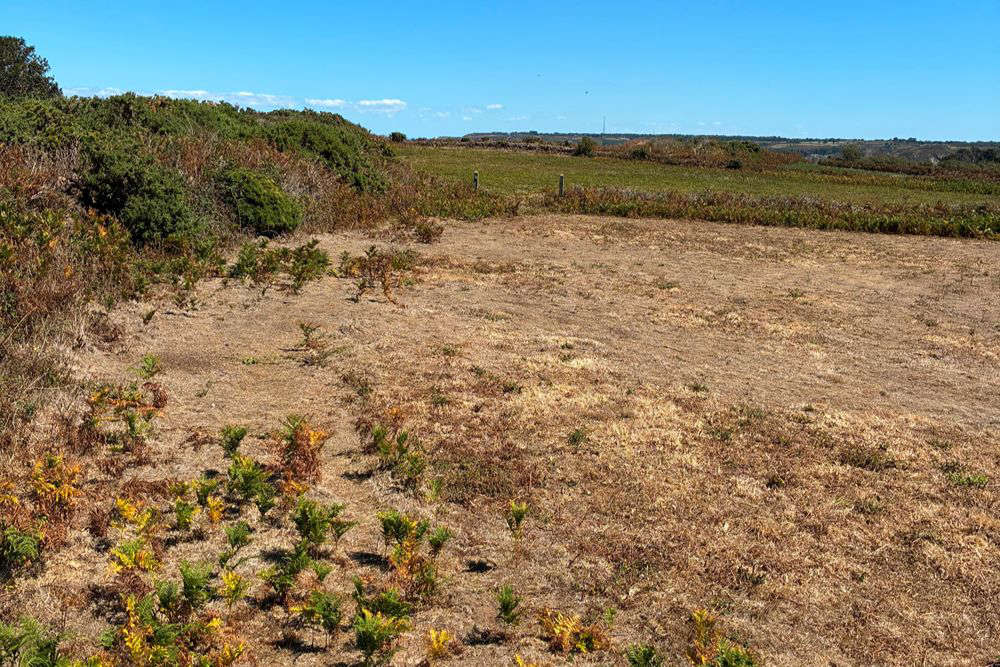
We're told that anything we can do to create more wild spaces - no matter how small - will make Jersey's environment more resilient to extreme weather.


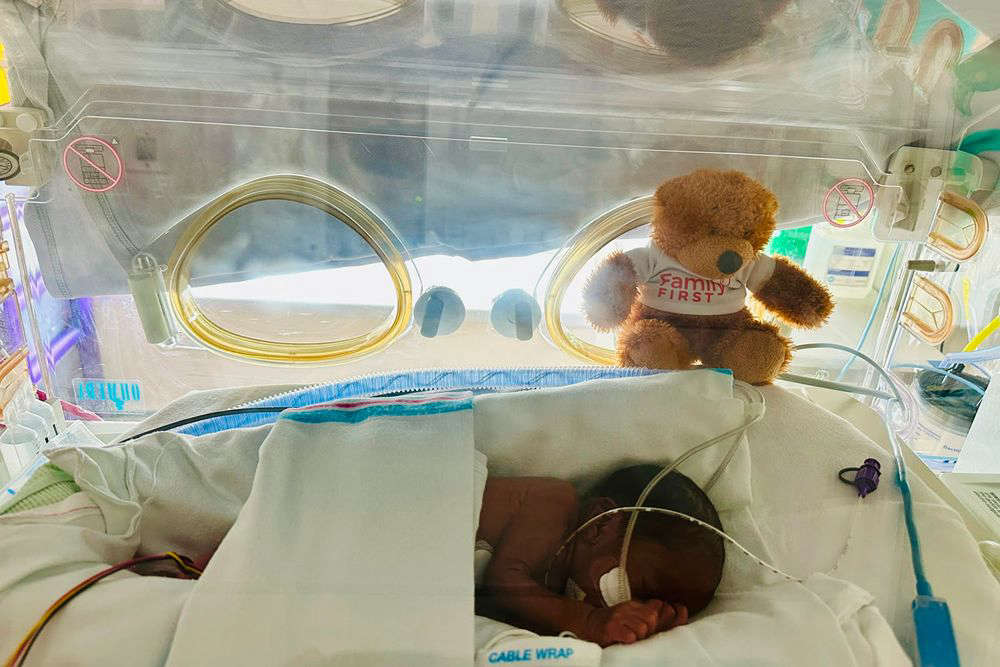 Invite to 'Sponsor a Brave Bear' for families facing off-island treatment
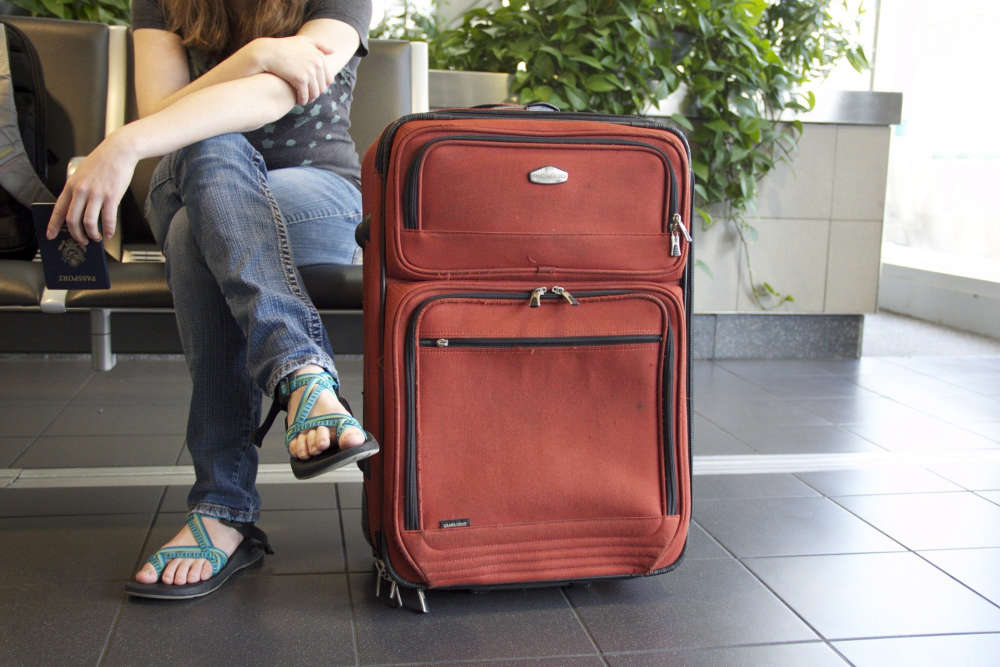 Travel problems persist for some Jersey residents
 The solar eclipse in Jersey: All you need to know
 £1.2m in fines for missed Income Tax deadline
 One in eight Jersey heatwaves has happened this year
 Hydration breaks to be introduced at Battle of Flowers
 Nurturing biodiversity key to climate resilience
 Record amount raised in 2026 Jersey-France challenge