
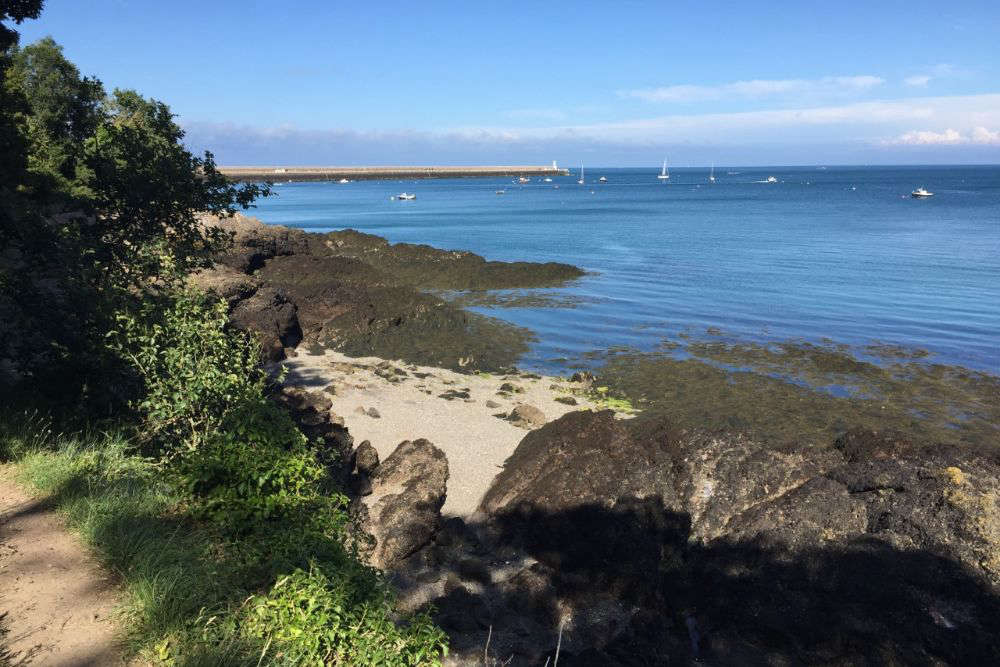
A project has been launched to protect seagrass in St Catherine's Bay.
Ports of Jersey has started a working group with government marine officers, users of the bay, and the Blue Marine Foundation to allow the largest site of seagrass around Jersey's coastline to flourish for future generations.
Seagrass is recognised for its blue carbon, calculated to absorb carbon 35 times more than tropical rainforests.
Studies show that traditional mooring systems and anchors caused significant damage to the seagrass.
Unused moorings have been removed and Jersey Marine Conservation is looking at the extent of the damage caused.
Louise Stafford is the Projects and Environment Manager at Ports of Jersey;
“We want to protect the marine environment within the deep-water site in a way that will be beneficial for everyone. One way we are hoping to do this is through the fair and adaptable administration of moorings within the deep-water site."
" Data has been gathered on the size of the damaged seagrass areas, density of the surrounding seagrass beds, including average leaf lengths and leaf numbers per shoot.
The regrowth rate in these areas will be monitored by dive surveys and supported by aerial footage and underwater towed videos. This will demonstrate the rate of seagrass recovery we can expect to see when a mooring chain is not impacting the seabed.” - Emily Dow, Science and Education Officer for Jersey Marine Conservation.
Differing mooring designs will now be trialled to study their impact on the seabed.
 Fort Regent vision 'was never matched' by a budget that could deliver it, says JHA
 Buzzing! Bears and Bees coming to Jersey
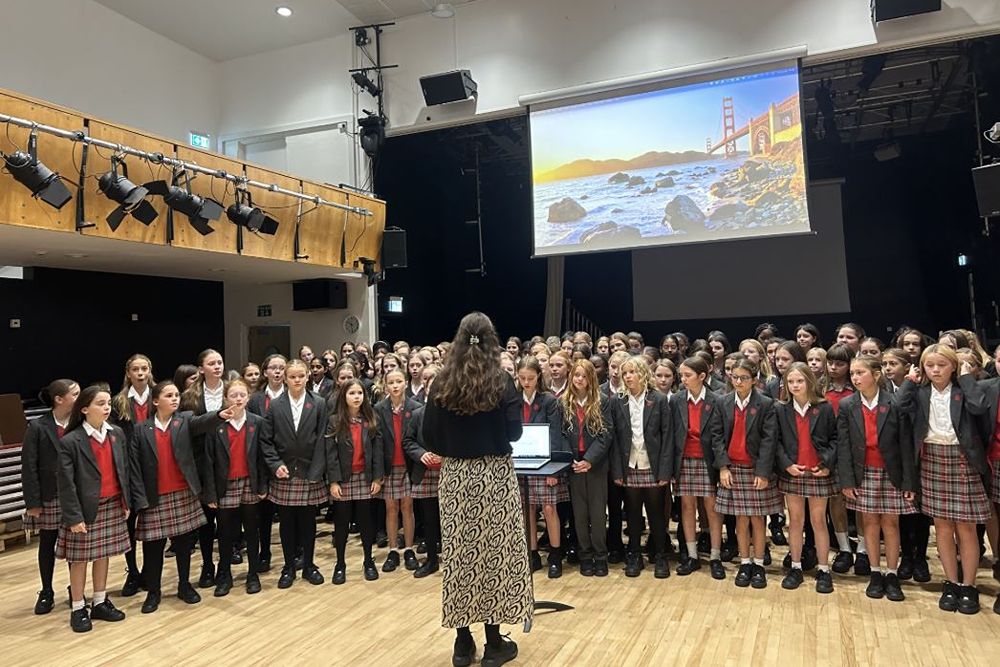 JCG Year 7 Choir learn and perform wartime song
 Gas bills to go up by 5% in December
 Second memorial plaque vandalised at Millennium Park
 'They got our hopes up': Young islanders disappointed as Fort Regent plans stall
 Electricity prices in Jersey to rise by 2.5%
 Minister says he has been 'slated' and his family taken 'abusive' phone-calls over economic growth comments