
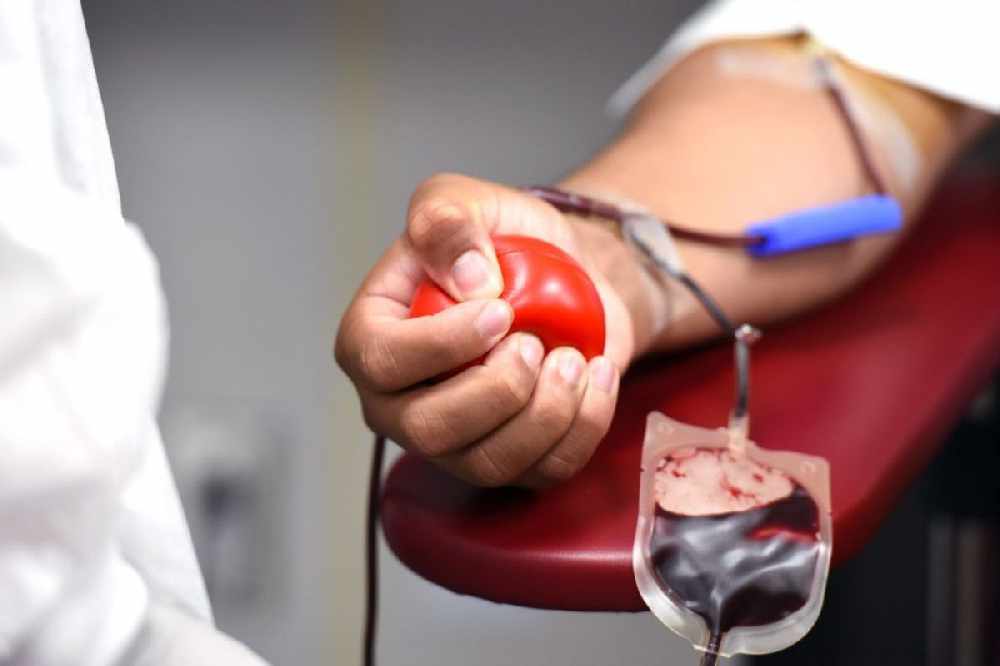
Guernsey's health committee says the number is fewer than five, but did not commit to specifics, after being questioned by deputy Lester Queripel.
The inquiry into what's become known as the NHS 'infected blood scandal' made public its findings in May.
Between the late 1970s and 1990s more than 30,000 NHS patients with conditions like leukaemia were given blood transfusions and subsequently contracted HIV or Hepatitis C.
The Prime Minister described the findings of the inquiry as "a day of shame" for Britain as it emerged that once the link between the transfusions and people becoming ill became known, steps were taken to cover it up.
Deputy Lester Queripel raised the matter of islanders affected at May's States meeting and subsequently asked for more details in writing, under what is known as Rule 14.
Guernsey's Health Committee told him that fewer than 10 island residents were infected with Hepatitis C or HIV because of receiving contaminated blood transfusions on the NHS.
Of those it says there was at least one death:
'Health and Social Care is aware of a death/deaths from this. The number is fewer than five individuals.'
It says patients affected were referred to a consultant virologist for treatment at the Orchard Centre at the PEH.
NHS patients are due compensation and HSC says it is pursuing payments due to Guernsey residents with the British government, but the General Election has slowed down that process.
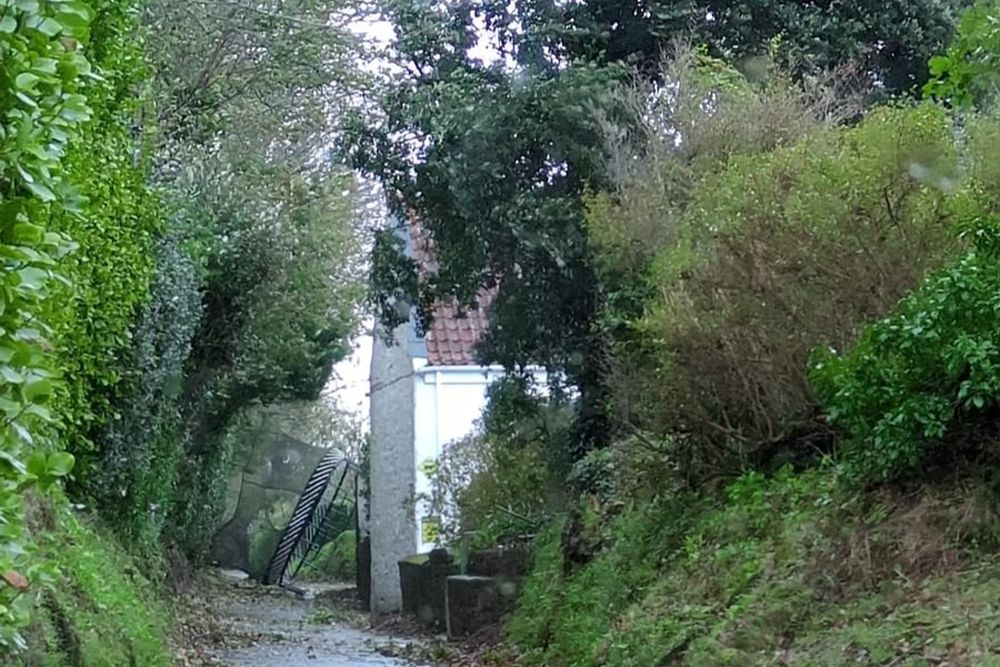 Guernsey "largely unscathed" by Storm Austen
 Commodore Clipper breaks mooring ropes in Storm Austen
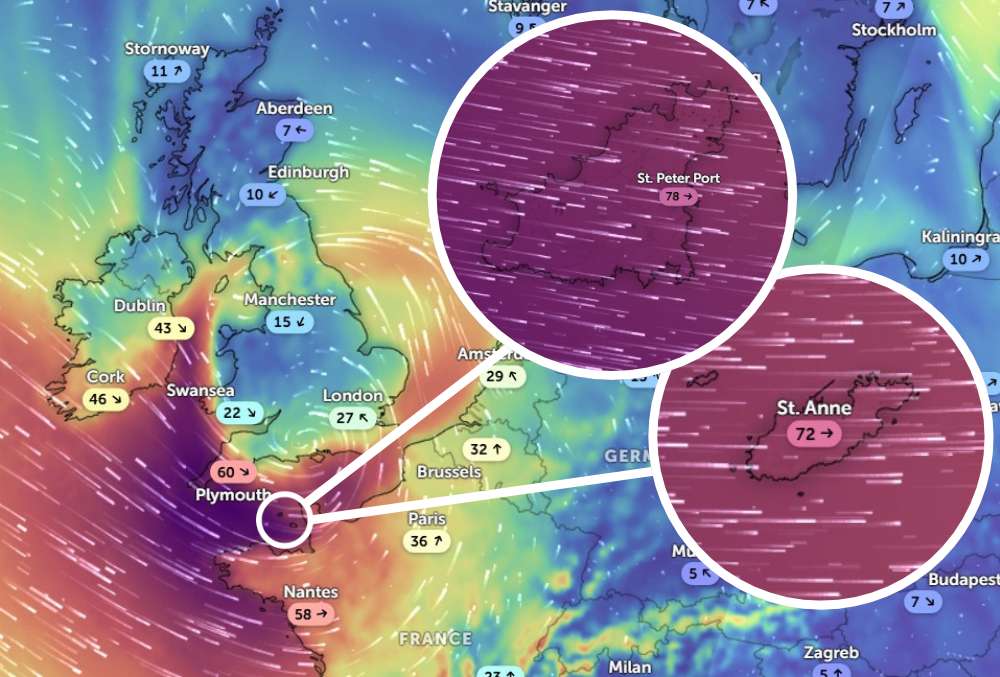 70 mph winds batter Guernsey
 Haut Du Mont: Jury fails to reach verdict on third gas worker
 Schools in Guernsey to close for Storm Austen
 States of Guernsey 'carefully monitoring' forecasts for Storm Austen
 Haut du Mont: Gas workers convicted of manslaughter
 Guernsey government websites go offline amid security concerns